
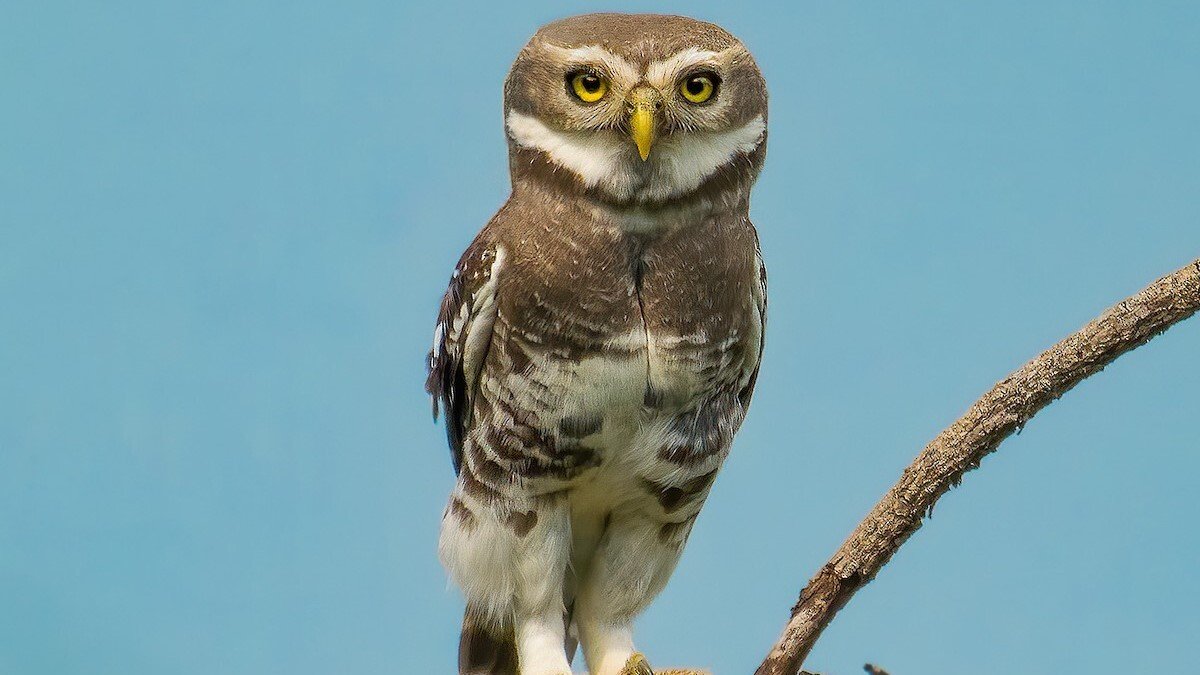
Forest Owlet
Athene blewitti A rare diurnal owl rediscovered in Melghat's dry teak forests after being thought extinct for over a century.
Experience Safari Government of
Maharashtra
• Forest Department
Melghat Where Valleys Cradle the Wild
Government of
Maharashtra
• Forest Department
Melghat Where Valleys Cradle the Wild
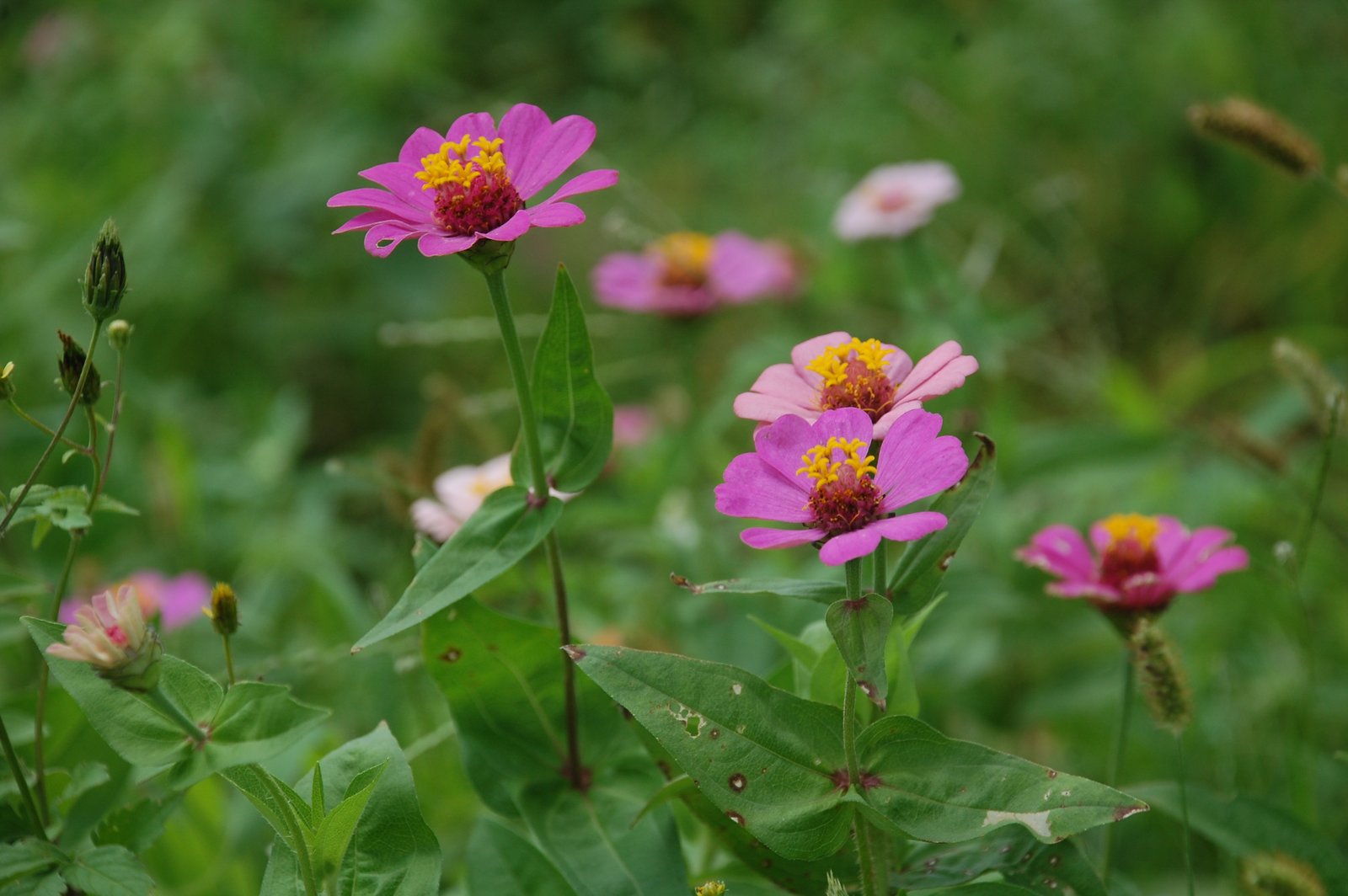
A remarkable diversity of mammals, birds, reptiles, butterflies and flora exists across the forests and valleys of Melghat.
Athene blewitti A rare diurnal owl rediscovered in Melghat's dry teak forests after being thought extinct for over a century.
Experience Safari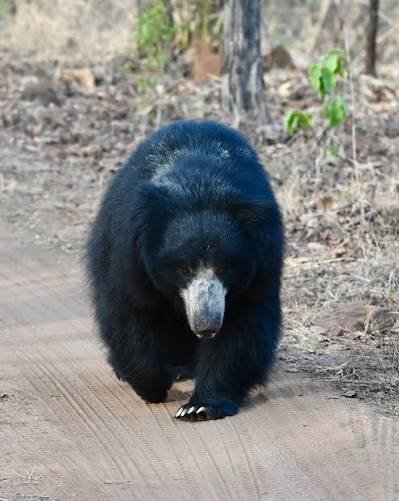
Melursus ursinus — Characteristic Satpura resident thriving in Melghat's rocky caverns, feeding on Mahua blossoms.
Experience Safari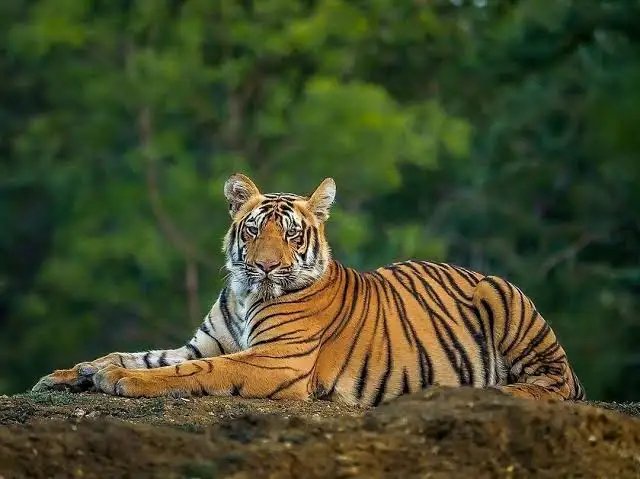
Panthera tigris — The magnificent flagship cat commanding Melghat's deep valleys and prime core habitats.
Experience Safari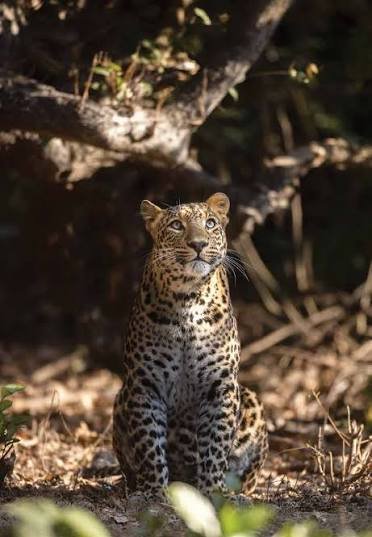
Panthera pardus — Highly agile and adaptable feline prowling the rocky cliffs, nullahs, and plateau ridges of Melghat.
Experience Safari
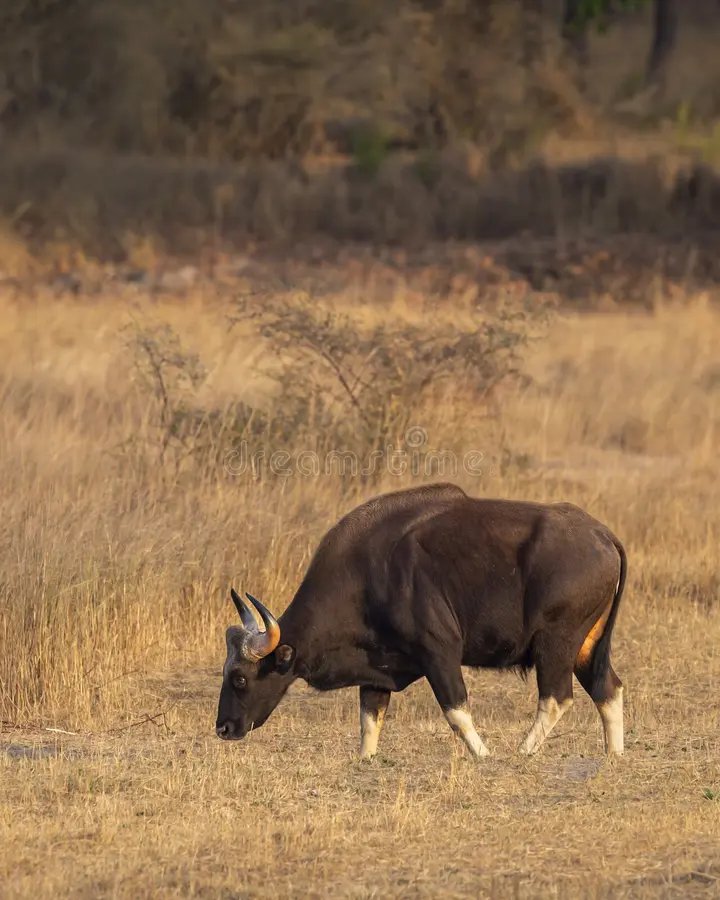
Bos gaurus — The world's largest wild bovine grazing in powerful herds across Melghat's high grassy tablelands and meadows.
Experience Safari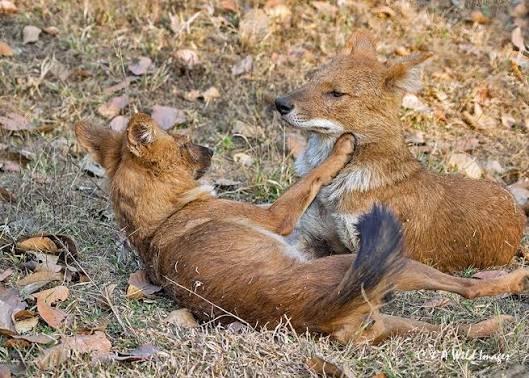
Cuon alpinus — Endangered pack hunter whose whistle communication and coordinated tactics echo through Melghat's forests.
Experience SafariMelghat hosts over 80 mammal species representing herbivores, carnivores, primates, and arboreal specialists that maintain the balance of this fragile forest ecosystem.
 Arboreal Jewel
State Animal
Arboreal Jewel
State Animal
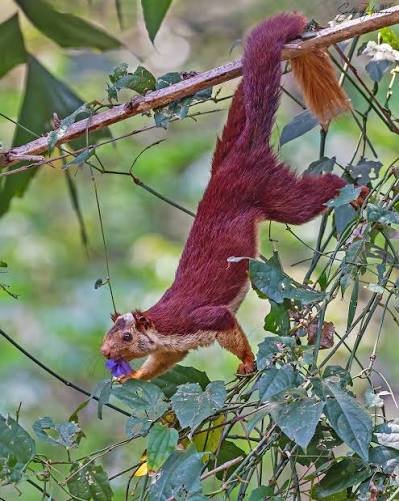
Maharashtra's state animal, this striking rust-and-maroon arboreal squirrel builds spherical twig nests high in the canopies of Melghat's deep forest ravines.
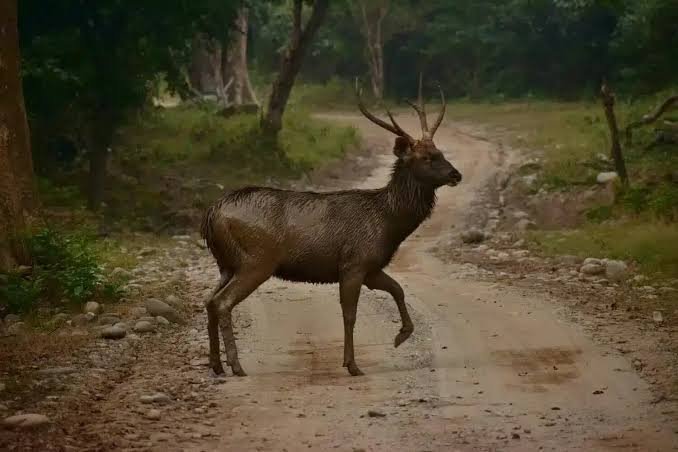 Prime Herbivore
Prey Base
Prime Herbivore
Prey Base
The largest deer in the Indian subcontinent. Found in dense hill forests and near watercourses, Sambar is a vital prey species sustaining Melghat's tigers.
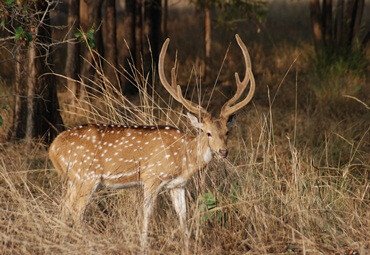 Social Grazer
Common
Social Grazer
Common
Graceful spotted deer roaming in herds through open grasslands, riverbanks, and edge habitats, maintaining symbiotic alarm-call partnerships with langurs.
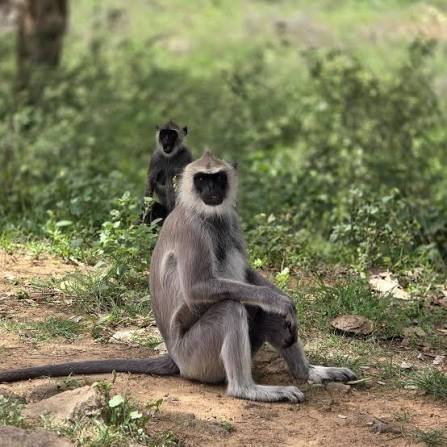 Canopy Sentinel
Primate
Canopy Sentinel
Primate
Alert canopy sentinels whose sharp coughing alarm calls alert deer and forest herbivores whenever a tiger or leopard is on the prowl.
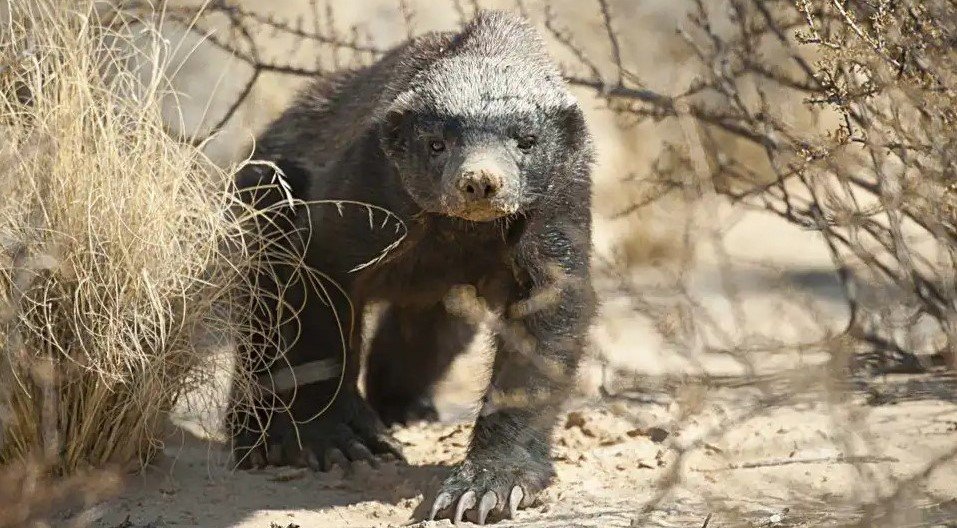 Nocturnal Wonder
Elusive
Nocturnal Wonder
Elusive
One of the rarest and most fearless small carnivores in central India. Equipped with thick skin and powerful digging claws for night foraging in rocky hills.
Stealth Hunter
Vulnerable
Possessing unmatched climbing power and stealth, Melghat's leopards frequent rugged basalt cliffs, Semadoh ridges, and deep ravines.
Designated as an Important Bird Area (IBA), Melghat is a haven for ornithologists and naturalists, harboring over 260 bird species and 114 butterfly species.
Endemic / Rare
The crown jewel of Melghat's avian diversity. Highly localized, diurnal owlet with distinct white bands and yellow eyes.
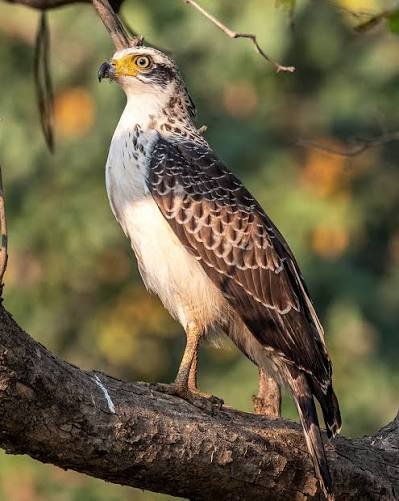 Apex Raptor
Prominent raptor of the Satpura canopy, frequently spotted soaring above riverbeds and scanning forest floors for reptiles.
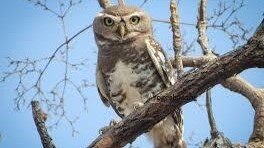 Nocturnal
Silent nocturnal hunter nesting in old tree hollows, keeping forest floor rodent populations in natural ecological check.
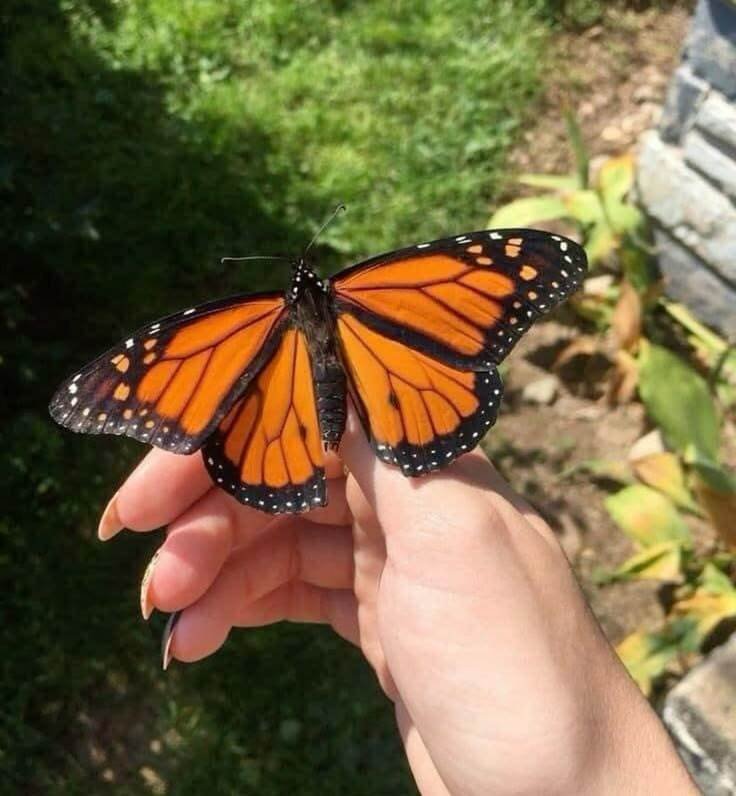 114+ Species
From the Blue Mormon to the Common Crow, fluttering swarms bring vibrant color to Melghat's streams and flowering valleys.
Melghat's botanical wealth encompasses over 700 flowering plant species across 400 genera. The forest is predominantly Southern Tropical Dry Deciduous, dominated by teak, bamboo, and indigenous trees that have nourished the Korku and Gond tribes for generations.