
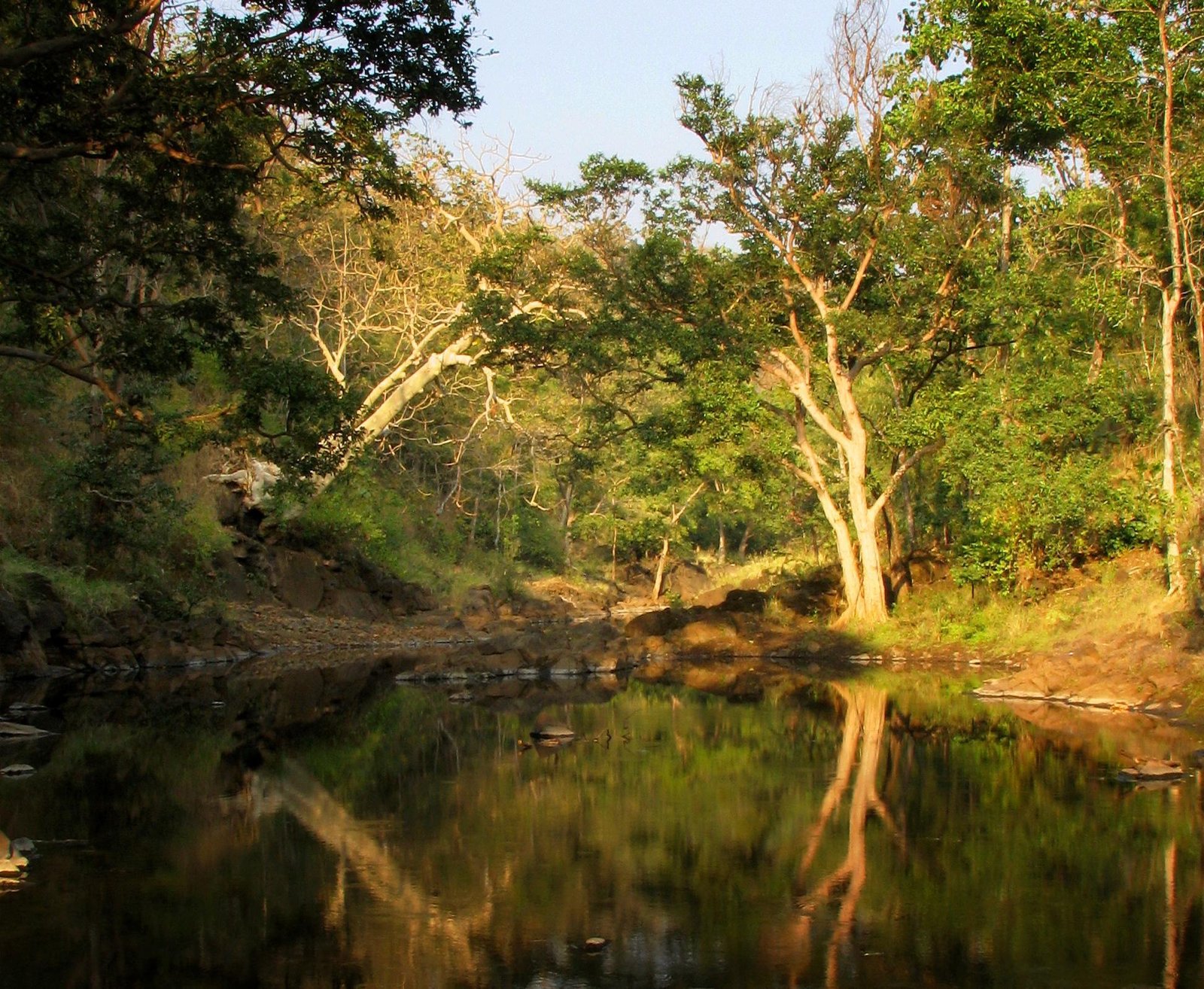
Melghat Tiger Reserve landscape
Melghat Tiger Reserve Administration

Guardians of the landscape

Meet the wild residents of Melghat

Discover fascinating facts about the animals, birds and remarkable creatures that make the forests of Melghat their home.

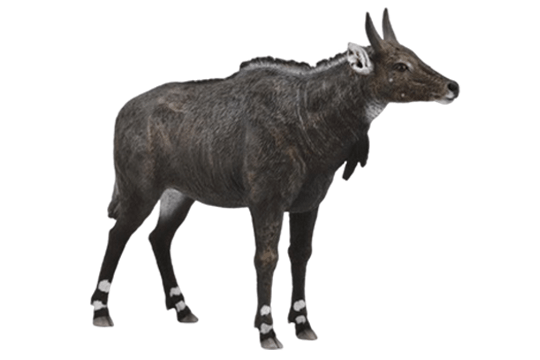
Nilgai

Nilgai

The nilgai or blue bull is the largest Asian antelope and one of the most commonly seen species of wild animals in India. Nilgai is a diurnal creature found inhabiting Indian grasslands. Their range covers national parks, plains and low hills with shrubs.
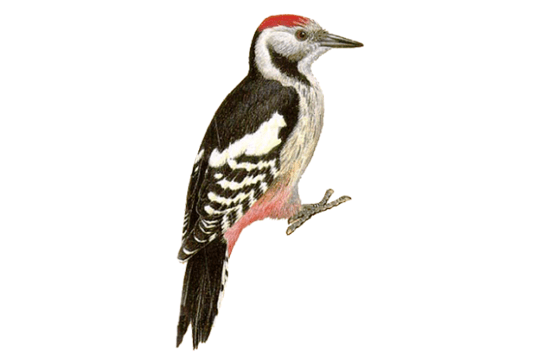
Woodpecker

Woodpecker

Woodpeckers don't have any vocal cords that mean they can't make sound. Drumming trees with their beaks plays an important part in their communication with each other.

Drumming, also called tapping and rapping, is a woodpecker's act of rapidly pecking on a resonant object to create a pattern of sound.

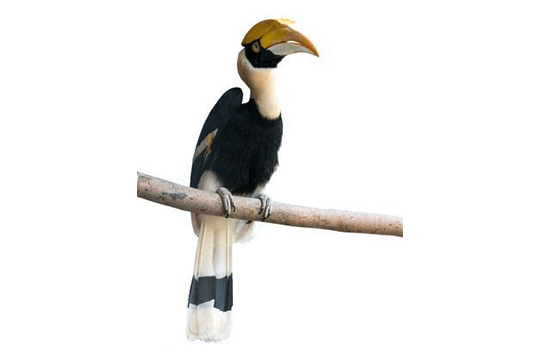
Hornbill

Hornbill

Hornbills are called the "Farmers of the forest" as they depend on tropical forest habitats that contain large, tall trees and disperse the seeds of many trees, helping keep the forest alive.

Many Hornbill species in India are listed as vulnerable or near threatened by the International Union for Conservation of Nature. Major threats include hunting and habitat loss.

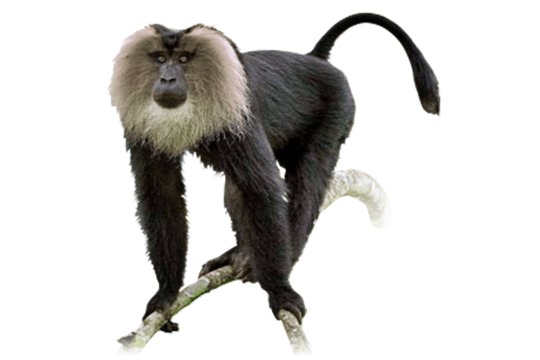
Lion Tailed Macaque

Lion Tailed Macaque

It is a medium-sized macaque of southern India. Lion-tailed macaques are found in dense forests along the Western Ghats. Their call is like a human and sounds like "Coyeh" or a coo.

They don't often come to the ground. They are excellent climbers and spend most of their lives in the upper branches.

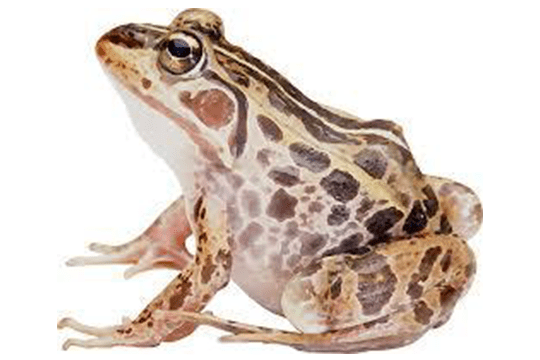
Indian Bull Frog

Indian Bull Frog

Hoplobatrachus tigerinus, also known as the Indian bull frog, is a large species of frog found in India. They inhabit holes and bushes near permanent water sources.

They feed on insects, invertebrates, mice, shrews, young frogs, earthworms, juvenile snakes and small birds.

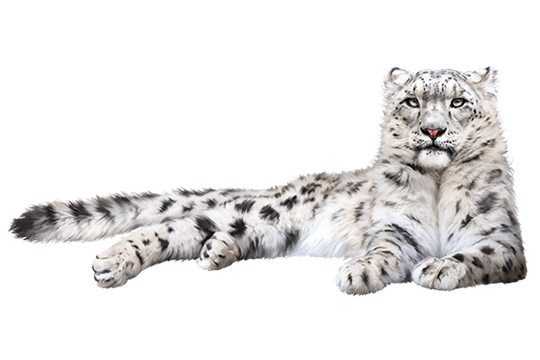
Snow Leopard

Snow Leopard

Snow leopards can't roar. They are found at altitudes between 3,000 and 5,200 metres in the high, rugged mountains of Central Asia, including the Himalayan mountains.

Snow leopards can kill prey weighing up to three times their own body weight. Cubs are born blind and gain their sight after several days.

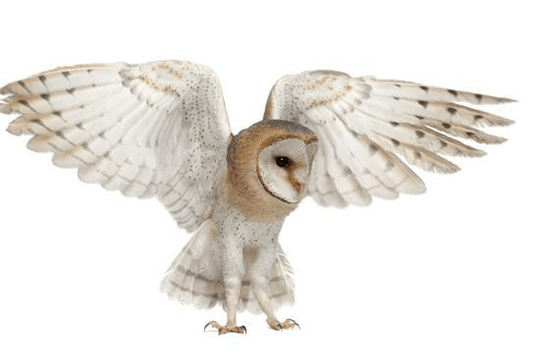
Barn Owl

Barn Owl

Tyto alba, the Barn Owl, has exceptional night vision and highly sensitive hearing. They usually hunt at night and are specially adapted to locate prey in very low light.

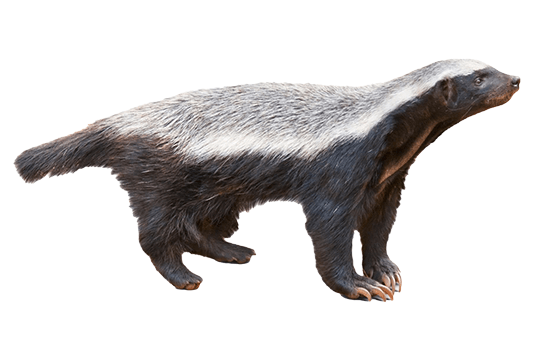
Honey Badger

Honey Badger

Honey badgers are known for their thick skin and fearless behaviour. Their diet consists of beetles, scorpions, tortoises, lizards, snakes, rodents and mongooses.

They also eat roots, berries and bulbs, making them highly adaptable foragers.

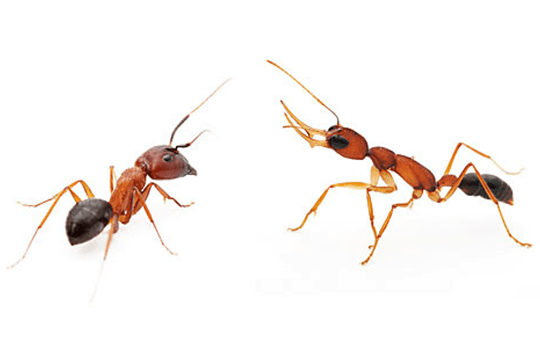
Ants

Ants

Ants are capable of carrying objects many times their own body weight using their mandibles.

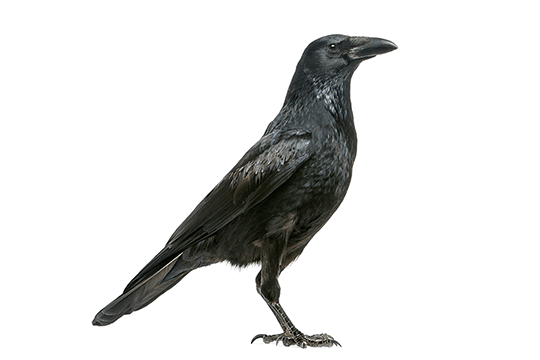
Crow

Crow

Crows can recognize human faces and may remember people they perceive as threats.

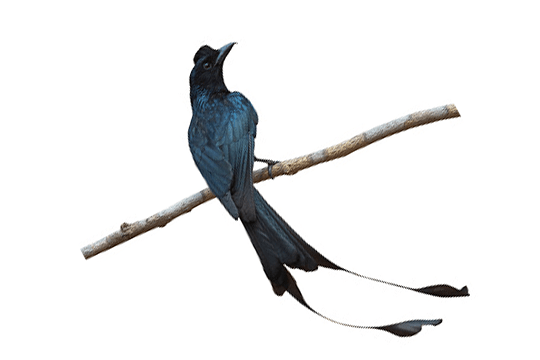
Racket Tailed Drongo

Racket-Tailed Drongo

Racket-tailed drongos have two wire-like racket-tipped feathers extending beyond the tail. They belong to the family Dicruridae.

They are known for their impressive vocal mimicry and can imitate the calls of other birds, including predator birds.

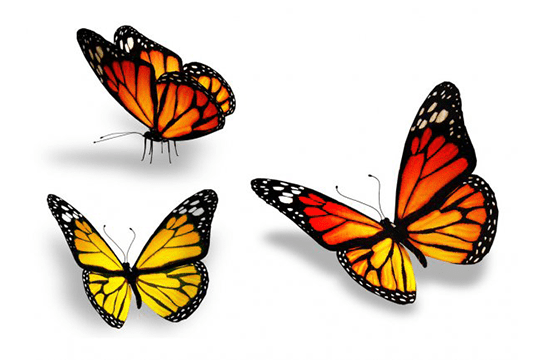
Butterflies

Butterflies

Most butterflies lack the ability to bite or chew, so they taste using their feet.

When a butterfly lands on a plant, sensors on its feet help determine whether the plant is suitable for feeding.

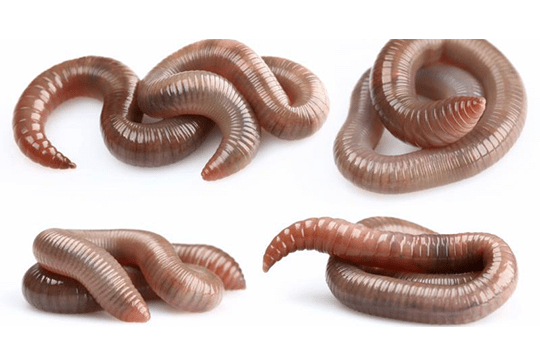
Earthworm

Earthworm

Earthworms are considered friends of farmers and act as engineers of the soil. They help decompose waste and produce natural biofertilizers.

Their digestive systems provide an environment for cellulose-degrading bacteria, helping convert plant-based organic waste into fertilizer or compost.

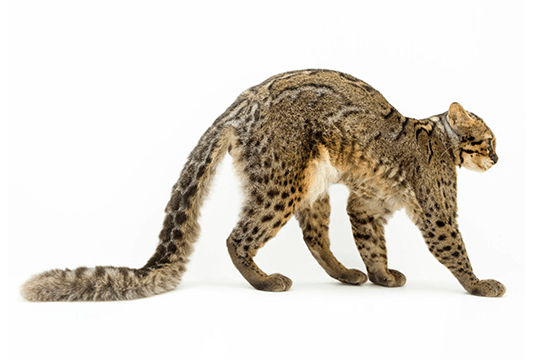
Rusty Spotted Cat

Rusty Spotted Cat

The rusty-spotted cat is one of the smallest cat species in the world. Because of its tiny size, agility and activity, it has been called the "hummingbird of the cat family".

Habitat loss caused by deforestation and agricultural expansion poses a threat to wildlife in India.

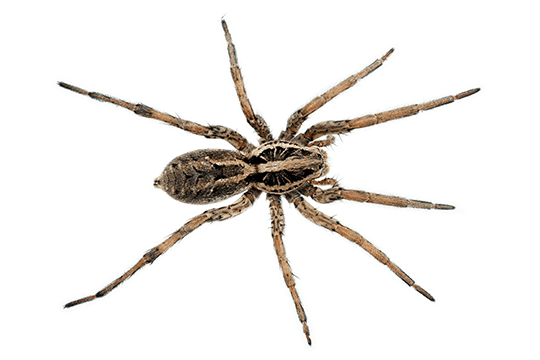
Wolf Spider

Wolf Spider

Wolf spiders are free-living, ground-dwelling hunters. Some live in burrows while others construct sheet webs with funnel-like structures.

They may bite when threatened, but their venom is generally not considered dangerous to humans.

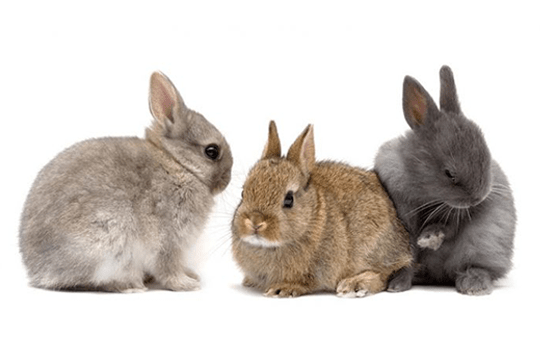
Rabbit

Rabbits

Rabbits have a very wide field of vision, allowing them to detect predators from many directions without turning their heads.

They are remarkably hygienic animals and regularly groom themselves. Their teeth also continue growing throughout life.

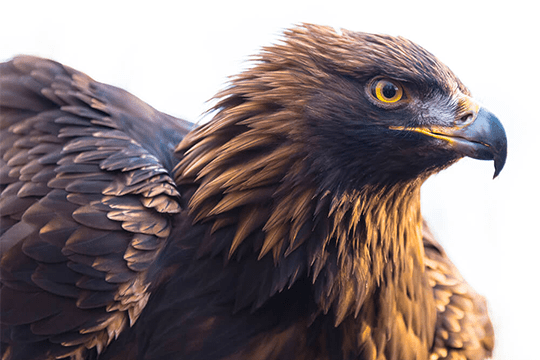
Eagle

Vision of Eagle

Eagles have exceptionally sharp eyesight. Their visual abilities allow them to detect potential prey from great distances.

As an eagle descends towards prey, its eyes continuously adjust focus to maintain sharp perception during the attack.

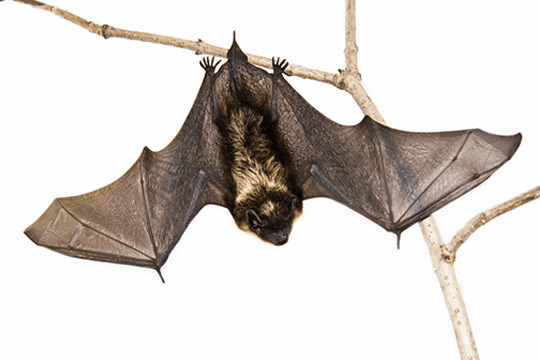
Bat

Bats

Bats can search for prey even in extreme darkness. They emit high-pitched ultrasonic sounds that help them detect objects and locate prey.

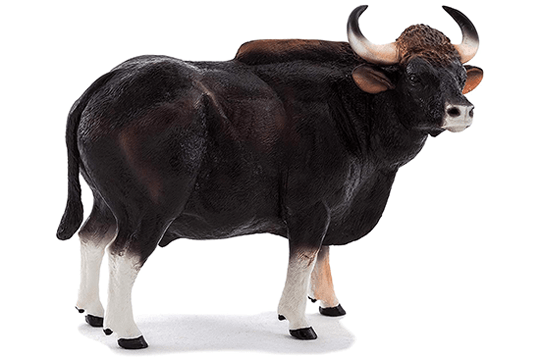
Gaur

Gaur

The gaur, also called the Indian bison, is the largest extant bovine and is native to the Indian subcontinent and Southeast Asia.

Adult males can weigh between 600 and 1,000 kg. They have a distinctive white colouring on the lower legs that looks like they are wearing socks.

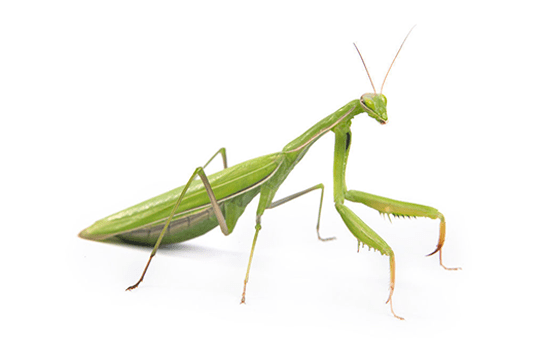
Praying Mantis

Praying Mantis

Praying mantises have prominent eyes and highly flexible heads that can rotate through a wide range. They also clean their forelegs after feeding.

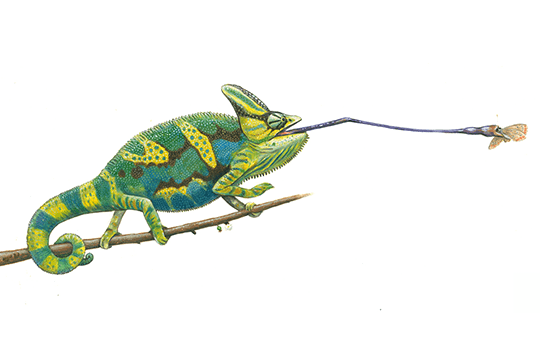
Chameleon

Chameleon Tongue

Chameleon tongues are remarkably fast and can extend to impressive lengths relative to the animal's body, allowing them to catch prey from a distance.

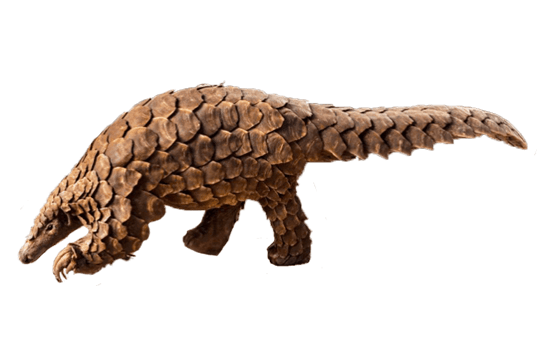
Pangolin

Pangolin

Pangolins usually give birth to a single baby. Newborn scales are soft but begin to harden within a few days.

The young pangolin clings to the base of its mother's tail while she moves through the forest.

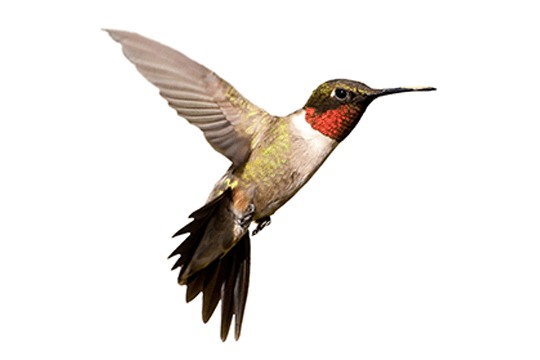
Hummingbird

Hummingbird

The hummingbird is the only bird capable of sustained backwards flight. Its unique wing structure gives it exceptional control in the air.

It can hover, fly forwards, backwards, sideways and diagonally while rapidly rotating its wings.

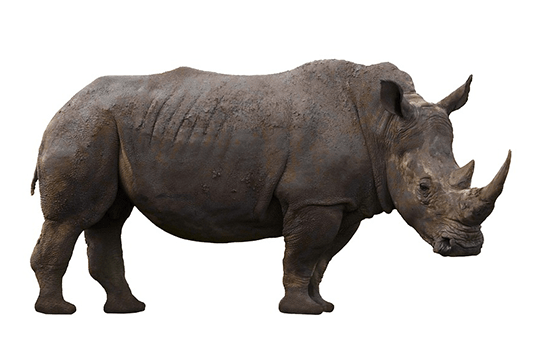
Rhinoceros

Rhinoceros

The word "rhinoceros" comes from Greek words meaning "nose" and "horn". A rhinoceros horn is made primarily of keratin, the same protein found in human hair and nails.

Unlike a bony structure, the horn is not attached directly to the animal's skull and continues growing throughout life.

Rhinoceros

Common Hawk Cuckoo

The common hawk cuckoo is popularly known as the "brainfever bird". It closely resembles the shikra, a sparrow hawk, including its style